Road Freight That Connects to Every Shipment It Touches
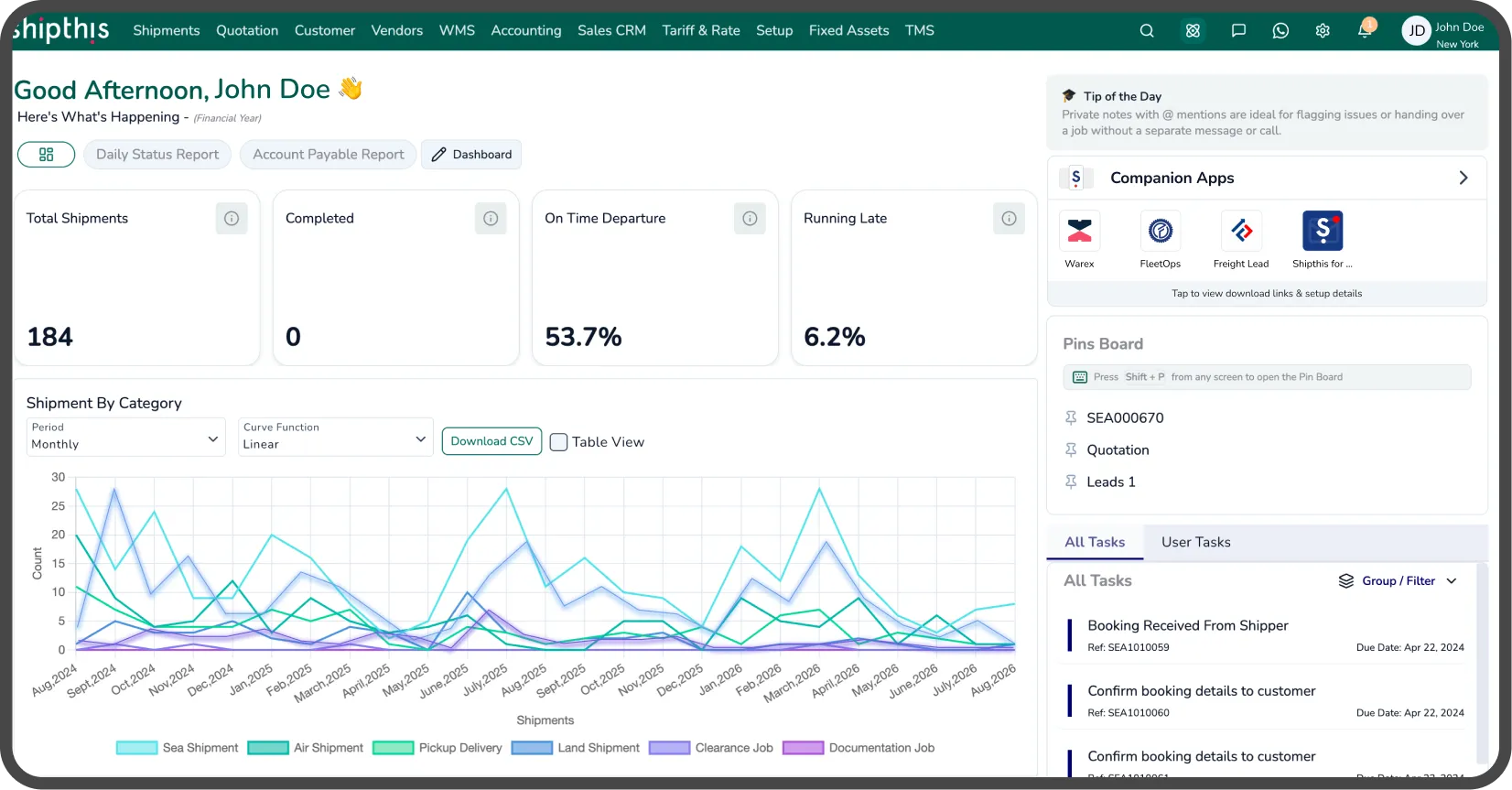
Road Freight Management built for forwarders running FTL, LTL, and round trips, domestic and cross-border, whether the truck is their own fleet or an outsourced carrier, alongside their air and ocean business. Dispatch loads, track drivers in real time, capture proof of delivery, and connect every leg back to the shipment it belongs to, whether that's a standalone road move or the first-mile pickup and last-mile delivery around an air or ocean job.



.avif)
Most road moves aren't standalone, they're the pickup before an ocean booking or the delivery after an air shipment lands. Shipthis keeps that leg tied to the job it belongs to.
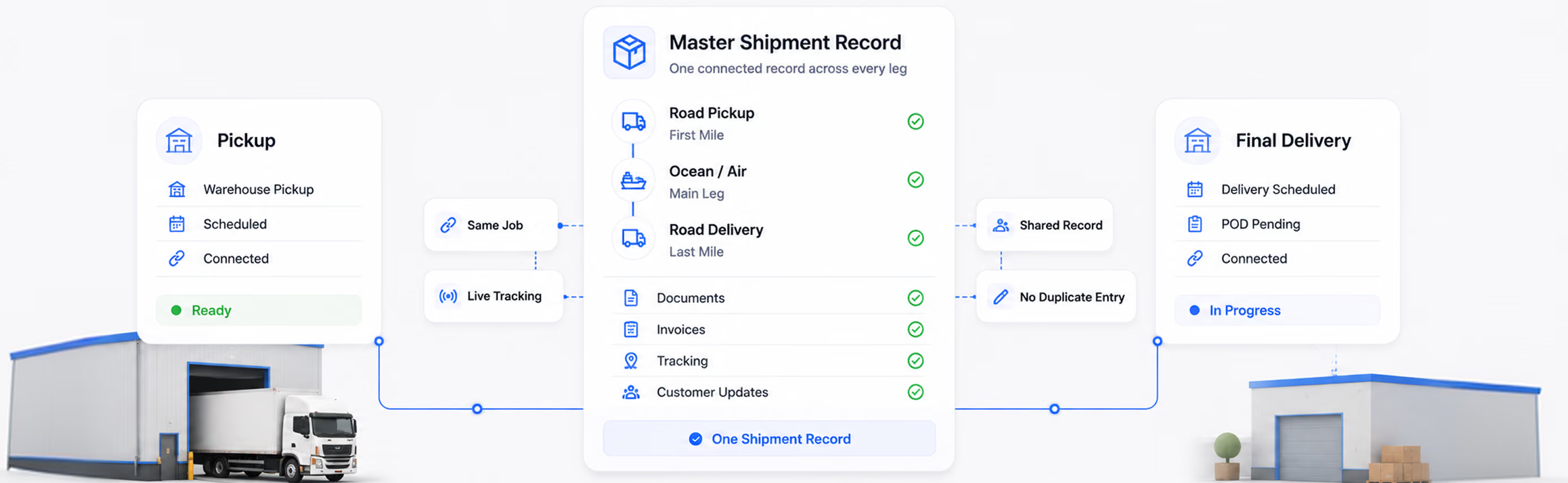


FTL, LTL, Round Trips, Domestic and Cross-Border Freight, All From One Record
Whatever mix of road freight your operation runs, it's managed the same way, one shipment record, one workflow.
A full truckload move, a shared LTL load, a round trip, and a cross-border haul each have different planning needs, but they shouldn't require different systems. Shipthis handles FTL, LTL, round trips, domestic and cross-border shipments from the same platform, so dispatch and ops aren't switching tools depending on the load type.
Stop Calling Drivers to Ask Where They Are
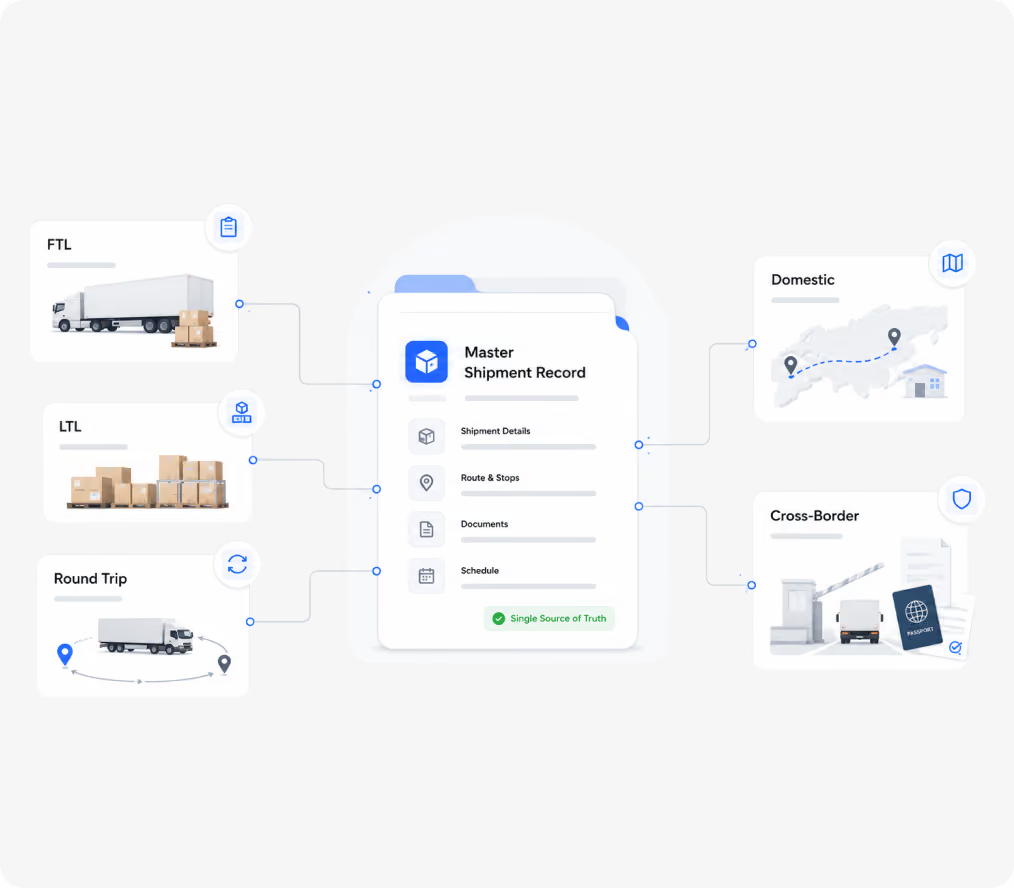
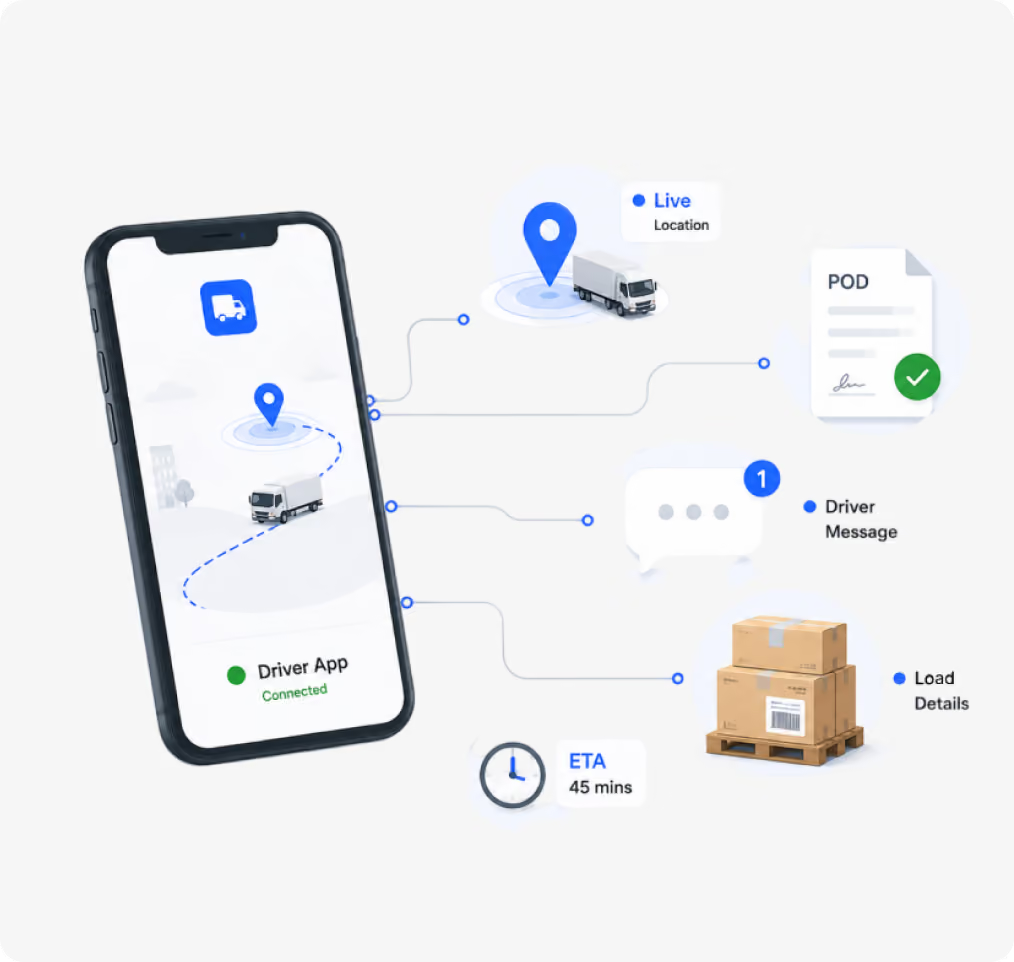
Live tracking puts your whole fleet on one map, and the driver app handles load details, POD and dispatch communication without a phone call.
Manual check-in calls exist because dispatch has no other way to know where a truck is. Real-time GPS tracking puts every truck on a single map, so your team has live fleet visibility without picking up the phone. The driver app carries the rest, load details, proof of delivery uploads, and dispatch messaging, without routing through a call.
Know What Fits on the Truck Before It's Loaded
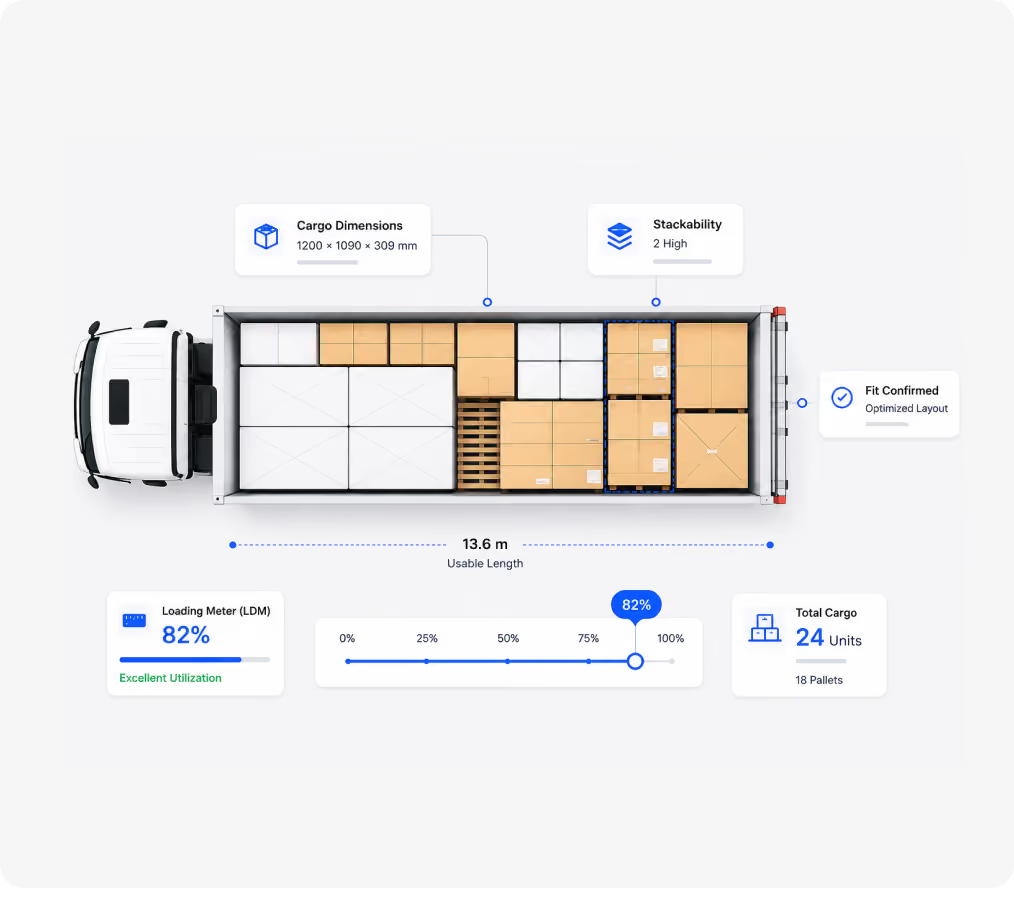
Automatic Loading Meter (LDM) calculation and a visual loading planner take the guesswork out of space and stackability.
Loading Meter is the standard unit for how much floor space a shipment occupies on a truck, and getting it wrong means a truck that's underused or overbooked. Shipthis calculates LDM automatically from shipment dimensions, and the loading planner shows how shipments fit together, including what can be stacked, so planning happens before the truck arrives, not at the dock.
Match the Right Driver and Equipment to Every Load
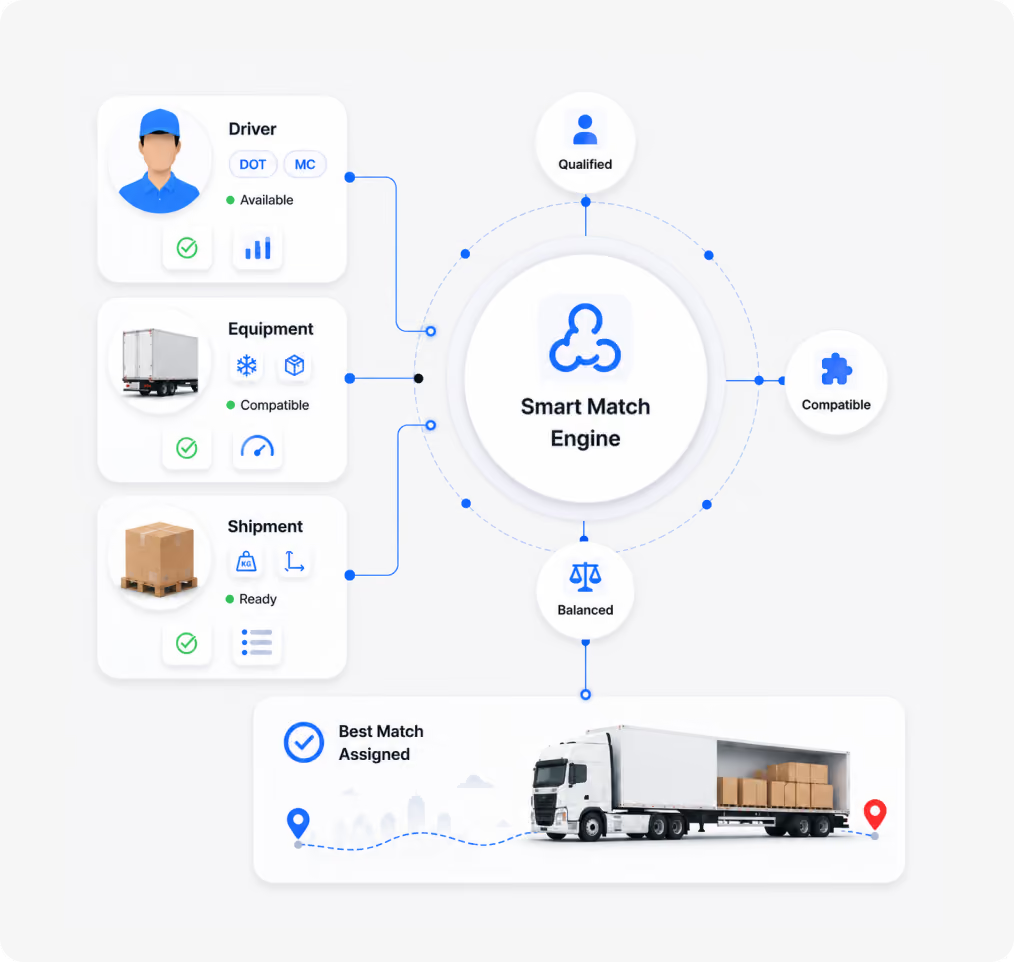
Reduce scheduling errors and balance driver workloads with driver and carrier details captured alongside each load.
Good dispatching means matching the right driver and equipment to a specific load, not just whoever's next. Shipthis surfaces driver availability and equipment fit against each load, reducing scheduling errors and balancing workloads across the fleet. Driver and carrier details are stored with the relevant records, giving dispatch teams the information they need to manage each load.



Road freight that connects to your air and ocean shipments, sized for a forwarder's owned fleet rather than a dedicated trucking operation.
Most road freight software is built for asset-light forwarders brokering loads, or for large trucking fleets with dedicated dispatch teams. Shipthis is built for the space between those two, a forwarder running their own trucks for FTL, LTL, and first/last-mile legs alongside air and ocean business, so the same shipment record and team can manage the truck without a standalone system.







Explore More Road Freight Capabilities
Beyond core freight modes, Shipthis offers additional capabilities that enhance control, compliance, and intelligence across freight operations.
Multi-Modal
Coordination
Seamless handoff when a road leg connects to air, sea, or rail, no separate system for the transition.
Automatic Customer Updates
Real-time status and delivery schedule changes sent to customers automatically, no manual update calls.
Load Utilization Visibility
Real-time view of load allocation across the fleet, so trucks aren't running with empty space.
Workflow Automation for Road Legs
Tasks and status updates trigger automatically as a load moves through pickup, transit, and delivery, no manual step to push it forward.
Get Your Drivers Up and Running on the App
A dedicated implementation team, phased rollout, and full data migration mean your ocean freight team keeps shipping while the system comes online.
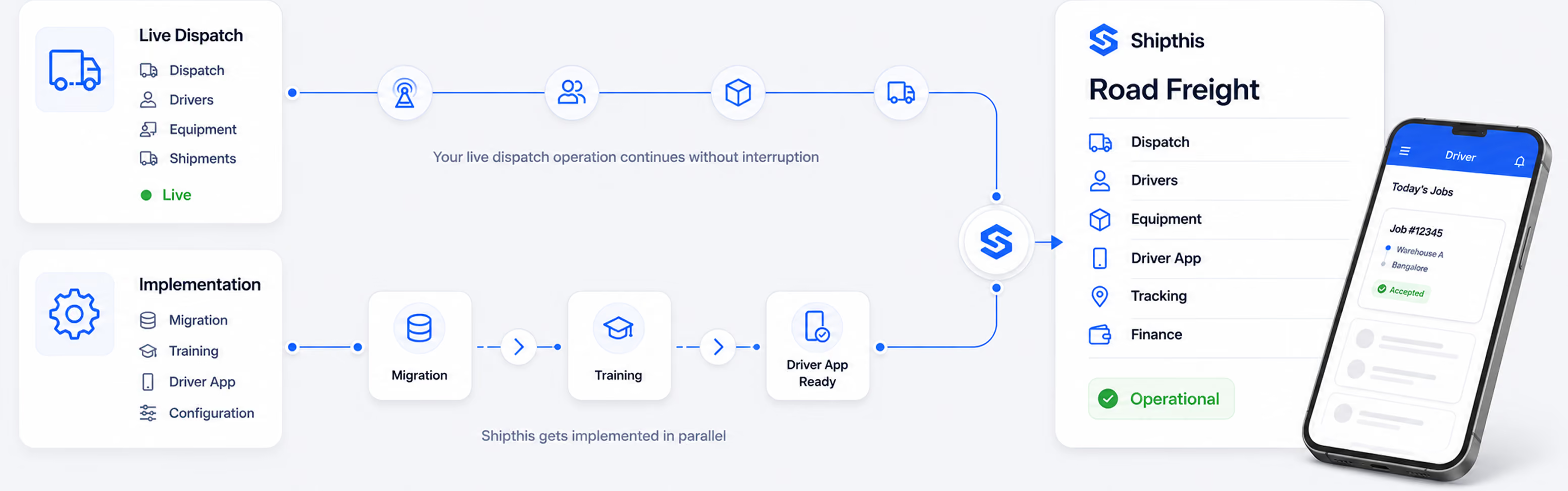
Road freight doesn't pause for a software rollout, so Shipthis onboarding is built around that reality. Existing driver, equipment and shipment data is migrated for you, and both your dispatch team and your drivers are trained on the parts of the system they'll actually use, the driver app included. Most customers are fully operational within 9 weeks.



Manage Road Legs and Shipments on
One Record
Book a walkthrough with your own mix of FTL, LTL, domestic, cross-border, and connected first/last-mile legs — or start a free trial and explore it yourself.
A demo can be built around your own fleet and load mix — whether that's standalone road freight or the pickup and delivery legs around your air and ocean shipments.
Prefer to explore first?
A free trial gives your team hands-on access with no commitment.

Book a demo or start your 30-day free trial — and talk to a real freight specialist, not a sales script.
Road Freight Software Questions, Answered
Yes. Full truckload, part-load (LTL), round trips, domestic and cross-border road freight are all managed within the same platform.
Yes. First-mile pickups and last-mile deliveries can be tied directly to the parent air or ocean shipment record, so the road leg isn't tracked separately from the job it's part of.
The driver app is designed for real-world road conditions, including load details, POD upload, and dispatch messaging — ask your implementation specialist about connectivity handling for your specific routes.
Yes. DOT and MC numbers, along with other driver details, are captured and stored against each driver record.
It's built specifically for freight forwarders running their own trucks alongside air and ocean freight — sized for that use case rather than a dedicated large-scale trucking fleet.