The Fastest Way to Submit AWBs Electronically. Every Master. Every House.
eAWB software built for freight forwarders who need to file Master and House AWBs electronically, in IATA-compliant format, direct to the airline, connected to a network of 194 airlines.
No printed waybill, no manual handoff at the counter, no separate portal to log into for every submission.
IATA-compliant. Submit directly from Air Shipment Record, Connected to 194 airlines.



.avif)
Generating an AWB was never the hard part, getting it to the airline electronically, correctly formatted, is what eAWB software actually needs to solve.
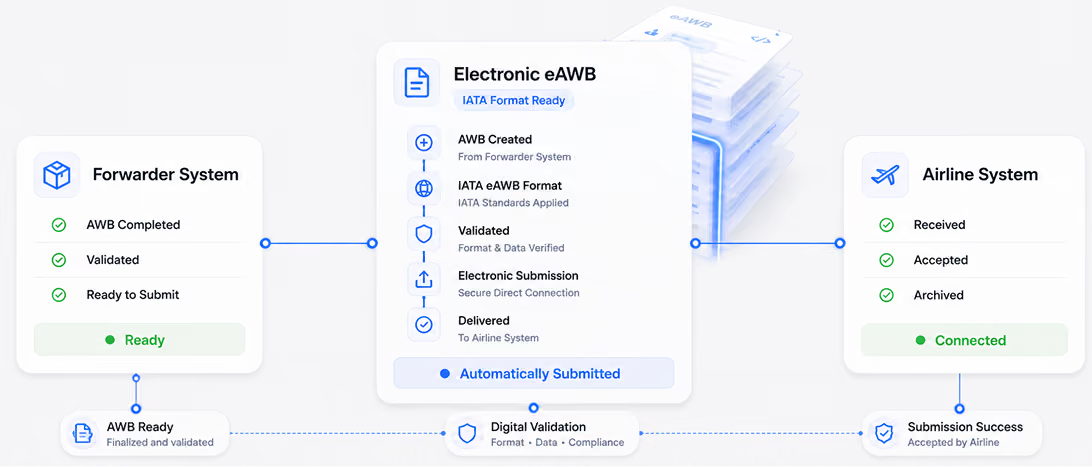
An AWB that exists correctly in your system but still has to be printed, walked to a counter, or re-entered into a separate airline portal hasn't actually gone digital, it's just been digitized on one side of a manual handoff. Shipthis submits the AWB electronically, in IATA e-AWB format, directly into the airline's system, so the moment your team finalizes the AWB, it's already where it needs to be, no reprinting, no separate login, no waiting on a paper original to catch up with cargo that's already moving.


Remove Printing, Filing and Handling From the AWB Process
No printing a Master or House AWB, no physical filing, no handling a paper original that has to travel with, or ahead of, the cargo
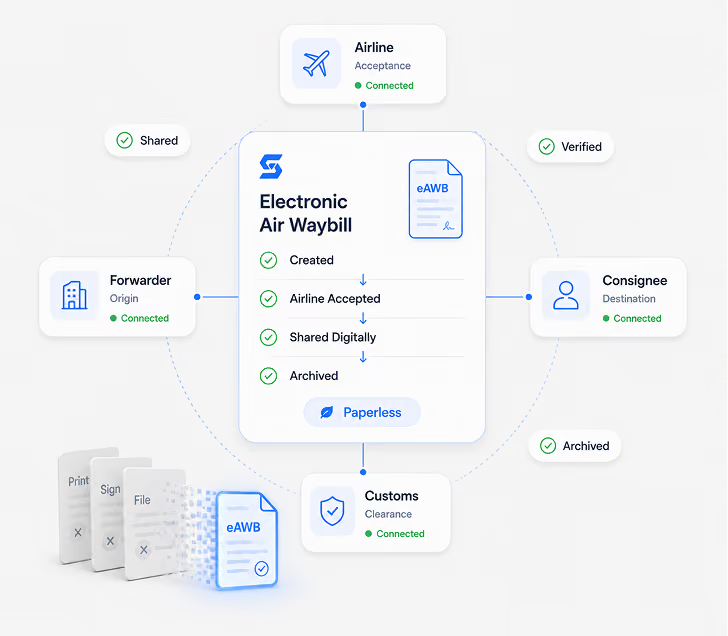
"Go paperless" usually means less than it sounds like, a PDF that still gets printed at some point in the chain. Shipthis removes the physical AWB entirely from the process, no printing a Master or House AWB, no filing a paper copy, and no paper original that has to physically keep pace with cargo that's already moved. The AWB exists once, electronically, and moves with the shipment record instead of a physical folder
Submit Every eAWB, Master and House, From One Place
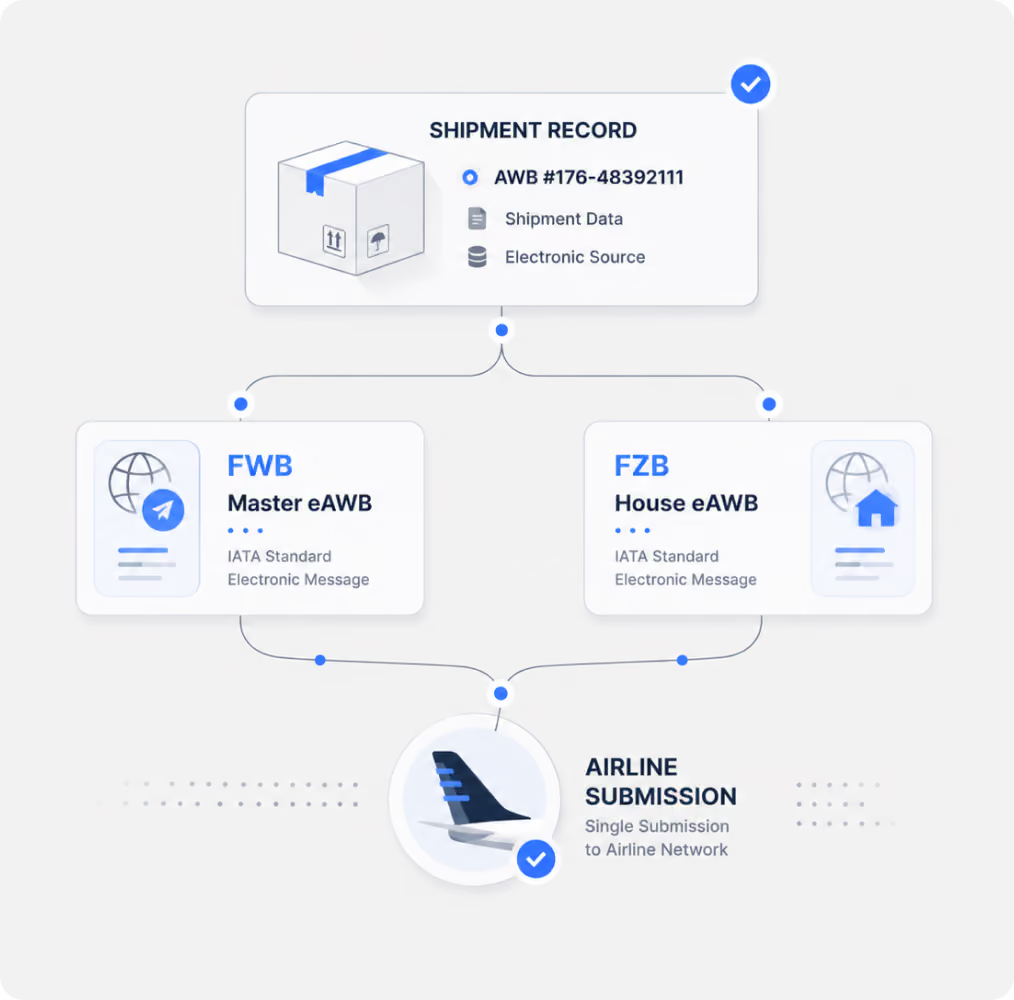
FWB for Master and FZB for House waybill data, submitted directly to airlines without a separate portal.
Airlines expect eAWB data in specific formats, FWB for the Master, FZB for the House, and getting that wrong means rejected messages and delayed cargo. Shipthis generates and submits both directly from the shipment record, so Master and House data stay consistent with each other and with what's actually booked. No logging into separate airline portals, no re-entering the same shipment twice to file two messages. IATA estimates full e-AWB adoption could cut document processing time by up to 80% industry-wide
Submission Isn't the Finish Line. Status Is.
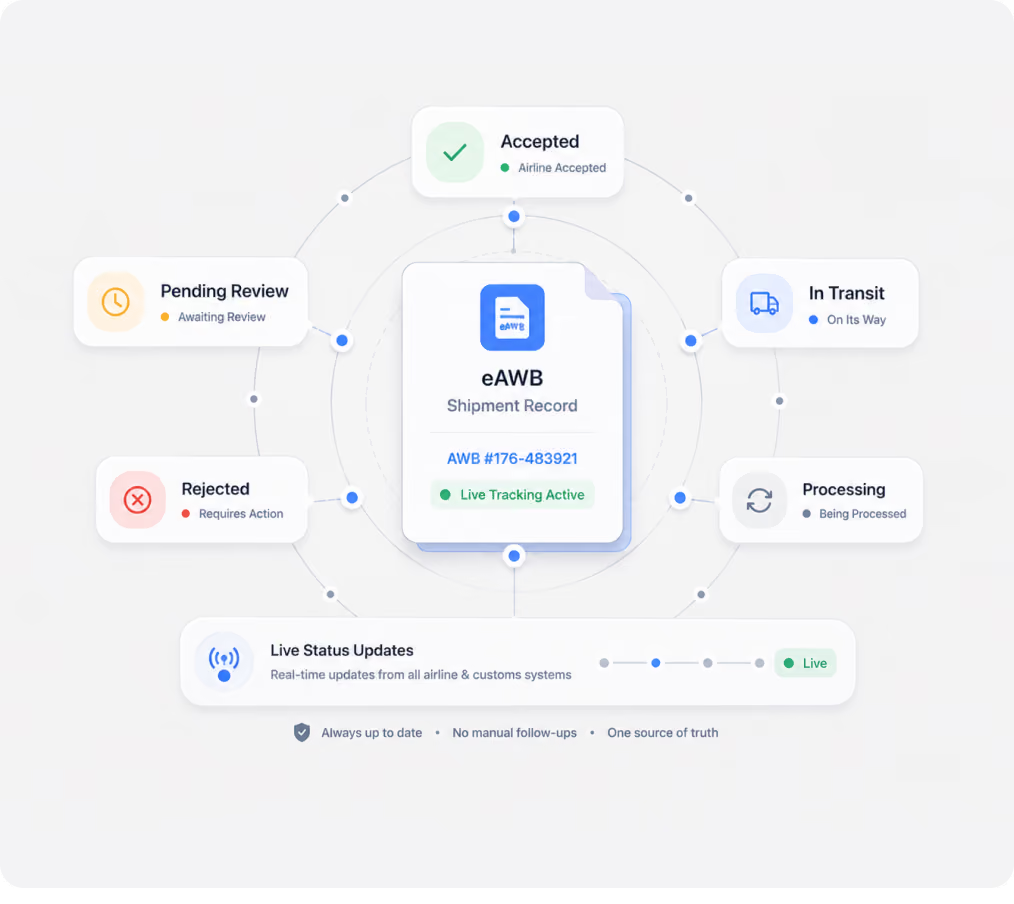
Real-time status on every AWB you submit, accepted, rejected, or in transit, without calling the airline to check.
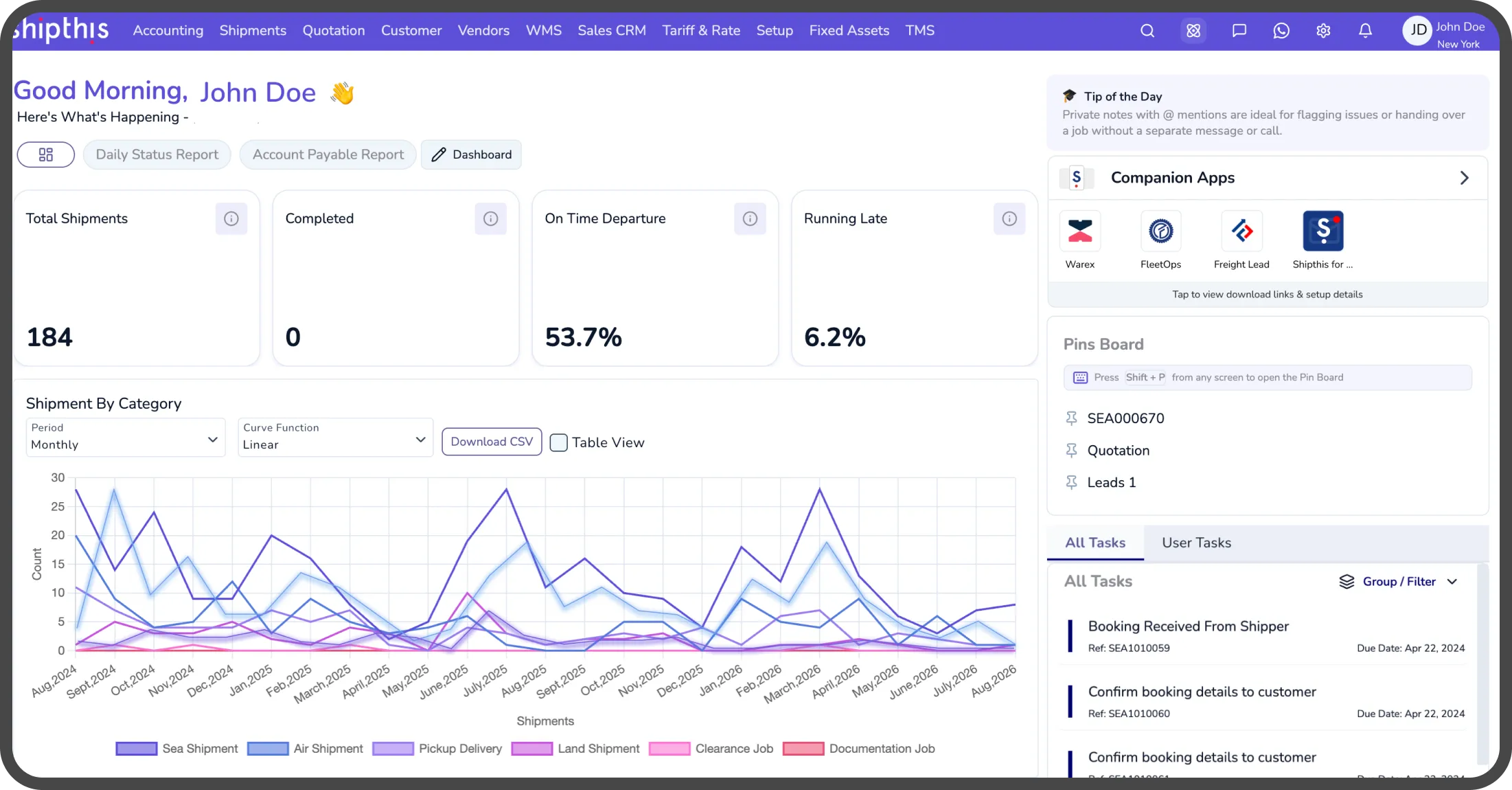
An eAWB that's been submitted still needs to be tracked, whether the airline accepted it, whether anything needs correcting, and where the shipment stands afterward. Shipthis surfaces real-time AWB status and cargo location data directly against the shipment record, so your team knows the outcome of a submission immediately instead of finding out about a rejection secondhand, hours later.
The Savings Are Real: Less Printing, Less Rework and Fewer Rejected Messages.
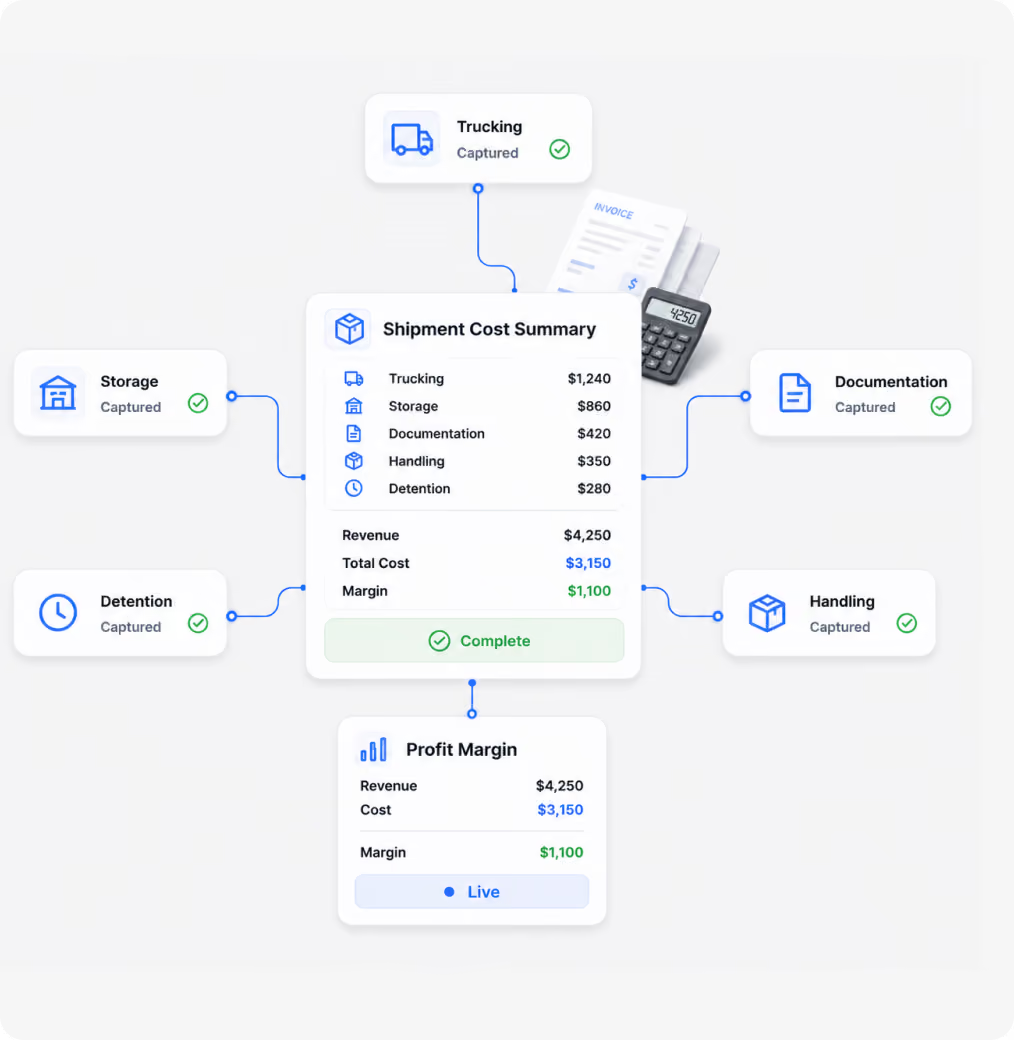
Improved accuracy, reduced processing and storage costs, and less time lost to manual data entry and document filing.
The cost of a paper-based AWB process shows up in three places, rework from data entry errors, physical processing and storage costs, and staff time spent on manual filing that adds nothing to the shipment itself. Shipthis improves accuracy by letting your team update eAWB data directly rather than retyping it across documents, and removes the processing, storage, and manual filing work that used to consume hours per week.




eAWB Submission That Already Knows the Shipment It Belongs To
Not a standalone eAWB tool bolted onto your process, eAWB submission connected to the same shipment record as your booking, documentation and billing.
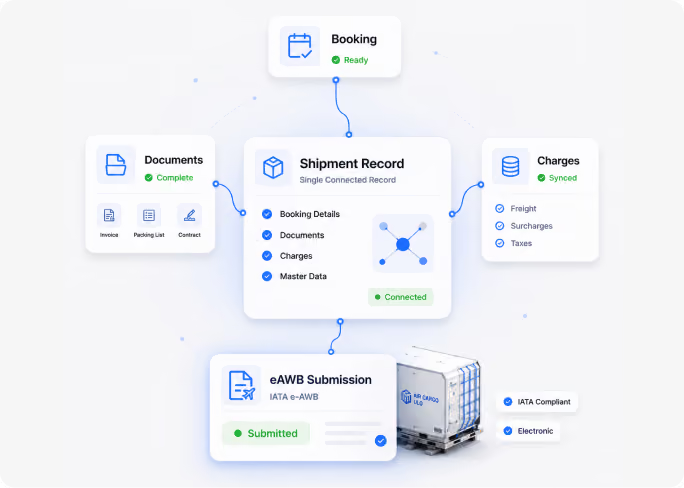
A standalone eAWB tool can file the message, but it doesn't know anything else about the shipment, the booking, the House and Master relationship, the billing that follows. Shipthis submits the eAWB from the same shipment record that already holds the booking, the consolidation detail, and the documents around it, so the AWB is never disconnected from the rest of what's actually happening with that shipment.



Built Around the IATA Agreements
You Already Have
A dedicated implementation team means your airline connections, PIMA ID, and in-progress AWBs carry over cleanly, with no gap in submission capability.
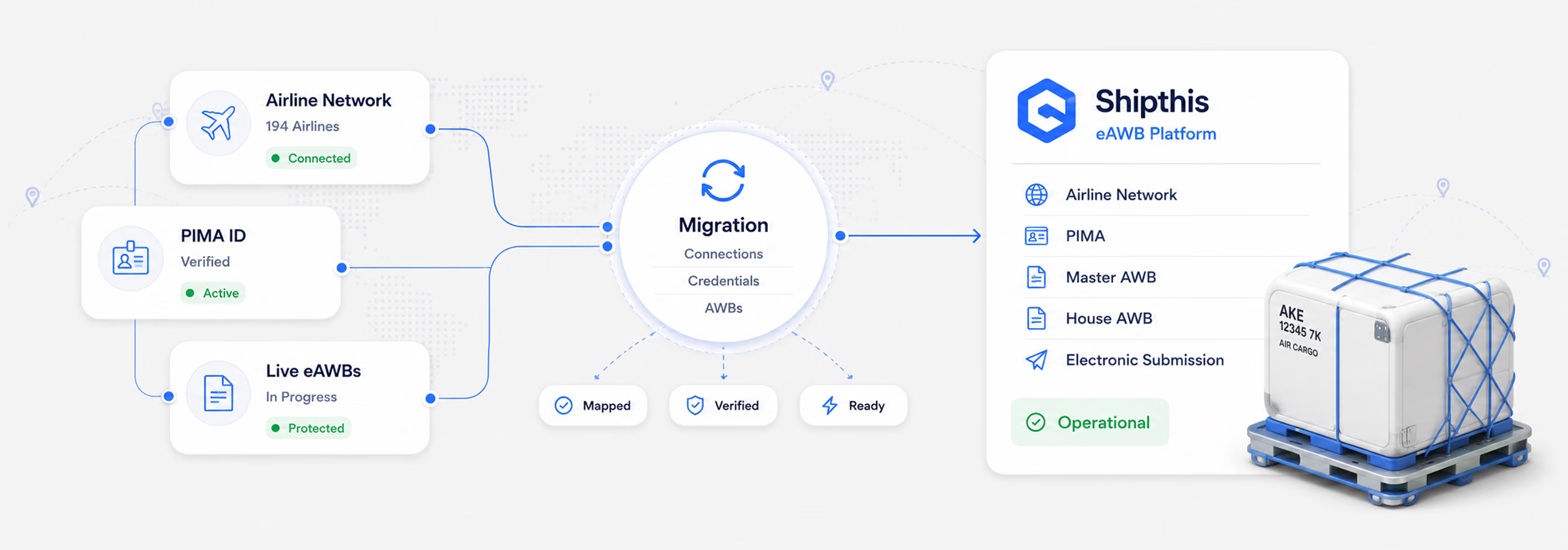
Switching how you file AWBs doesn't mean pausing shipments that are already in progress, so Shipthis onboarding is built around that reality. Your existing airline relationships and any active AWBs are accounted for during setup, and your team is trained specifically on Master and House eAWB submission before go-live. Most customers are fully operational within 9 weeks.
Start Filing eAWBs Electronically,
Master and House, Today
Book a walkthrough with your own airline mix, or start a free 30-day trial and see the eAWB workflow yourself.
A demo can be built around the specific airlines and AWB volume you actually handle, not a generic script.
Prefer to explore first?
A free 30-day trial gives your team hands-on access to the workflow, with no commitment.

Book a demo or start your 30-day free trial — and talk to a real freight specialist, not a sales script.
Electronic Air Waybill (eAWB) Questions, Answered
eAWB, or electronic Air Waybill, is the digital version of the air waybill, the contract of carriage and shipment record between a shipper or forwarder and an airline. Instead of a printed document that has to physically accompany or precede the cargo, an eAWB is transmitted electronically between the forwarder and the airline in a standardized IATA message format, removing the paper original from the process entirely.
e-Freight is the broader industry initiative to remove paper from air cargo entirely, covering customs documents, transport documents, and commercial or special cargo documents alongside the AWB itself. eAWB is the specific, most widely adopted piece of that initiative, digitizing the air waybill first, since it's the core document nearly every air shipment requires.
The two main types are the Master eAWB, covering the overall shipment between the forwarder and the airline, and the House eAWB, covering each individual shipper's cargo within a consolidated Master shipment. Airlines expect each in its own message format, FWB for the Master, FZB for the House, which is why software that only handles one correctly creates problems for forwarders running consolidations.
Not with Shipthis. eAWB submission is connected to a network of 194 airlines directly from the shipment record, so your team isn't logging into a different portal for every carrier you work with.
No. Implementation is built to carry over your existing airline relationships and any AWBs already in progress, so switching to electronic submission doesn't require renegotiating carrier relationships.